At Clarity Interpretation we help people discover, explore and engage with natural and historic environments.
We plan, write, design and supply interpretation of all kinds, using both traditional media, such as interpretation boards, and new technology. From developing ideas to the finished product, we can provide everything required at every stage of a project.
We organise and deliver community activities, volunteering, training and school education programmes, for heritage and conservation projects.
Our clients, who are mainly in the countryside, conservation and heritage sectors, range from the smallest community groups to national organisations, including Woodland Trust, Natural England, the Wildlife Trusts, Forestry Commission and the National Trust.
Clarity’s client-centred approach to interpretive planning means that we will deliver a plan that works for you in the real world, because it was developed with your involvement at every stage. We focus on three fundamental elements: your objectives, your site(s), your audience.
Our plans enable our clients to: – Ensure their key messages are communicated – Engage people with the heritage of their site(s) – Manage visitor behaviour – Select the interpretive media that are right for their audience – Prioritise what’s important about their site(s) – Make the best use of financial resources
The scope of our plans can cover a single site, a wider landscape or a whole region. We can provide plans for the conservation, heritage, zoo and tourism sectors.
The planning process we go through with our clients can encompass a range of different services:
– Visitor survey – Audience development – Client and stakeholder consultation (workshops, meetings, questionnaires) – Interpretive asset survey – Audits of existing interpretation – Community engagement planning – Guidance on provision for disabled visitors – Advice on combatting site mis-use and vandalism
Clients are consulted at all stages – information gathering, analysis and plan writing. The key output of the process will be an action plan consisting of costed delivery projects to put your vision in place.
SELECTED CASE STUDIES:
Valley of Visions
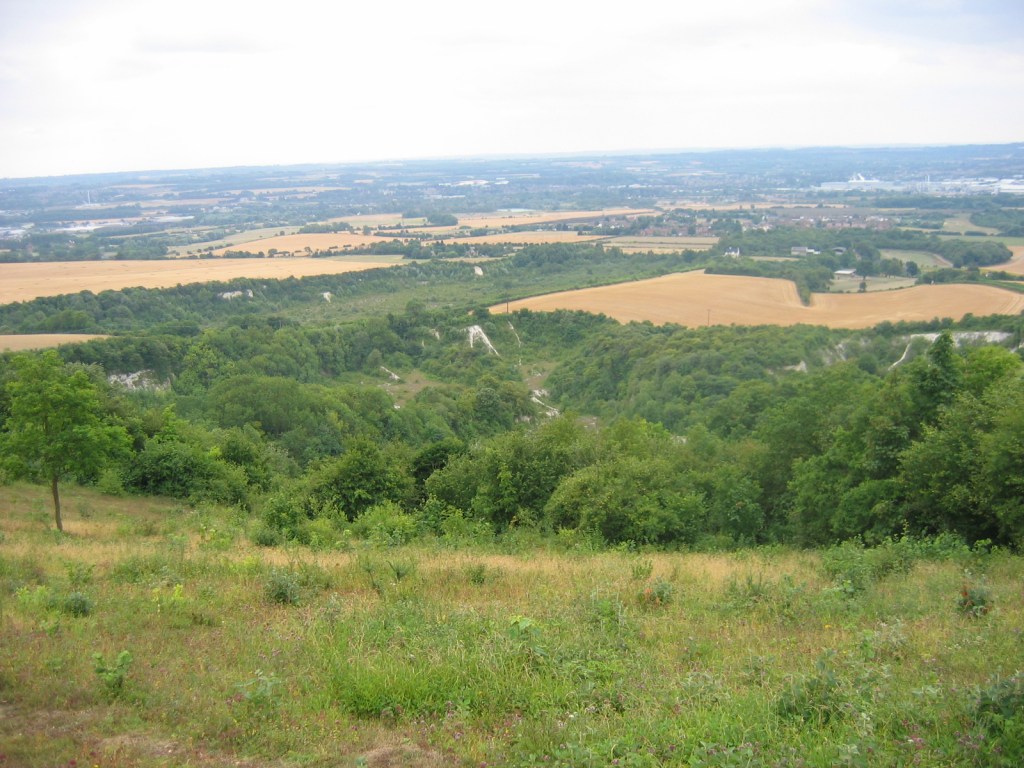
The Medway Gap is a unique landscape full of fascinating and varied interpretive resources – nationally important wildlife sites, iconic Neolithic monuments and a rich industrial heritage. In our largest interpretive planning project so far, we worked in partnership with the Kent Downs AONB Team and Kent Wildlife Trust on a plan that formed the core of a successful £2.5m Landscape Partnership Scheme bid to the HLF.
We produced a detailed plan to deliver interpretation and community activities across the three years of the project. Among the work we carried out were interpretive assessments of 19 sites across the study area, an audit of existing interpretation and a community consultation.
Outputs of the plan included:
– A ‘Flagship Fauna and Flora’ programme aimed at engaging communities in discovering, learning about and actively conserving key species and habitats.
– Provision of gateway sculptures and circular trails linking villages to heritage sites
– A ‘Landscape Celebration Programme’, using music and drama to engage local people with past traditions and the changing landscape
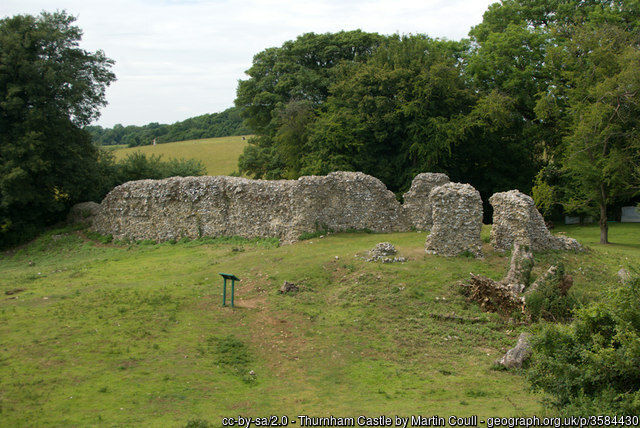
Thurnham Castle, and other historic features of White Horse Wood Country Park near Maidstone, were good examples of heritage assets where the role of interpretation was to bring ruins and traces of structures to life. It was important to recommend media appropriate to the audience, so we carried out both on- and off-site visitor surveys to inform these decisions. Kent County Council wanted the site to be a resource for local schools so there was also a formal education strand to the plan we produced. Find out more…
Shorne Woods Heritage Project
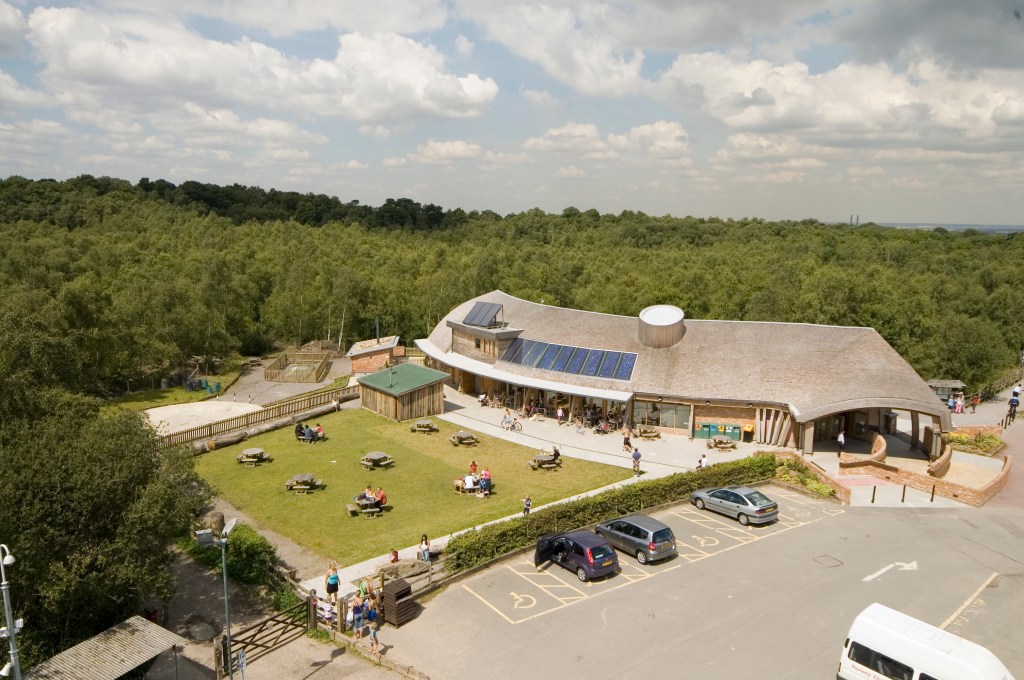
Our clients at Shorne Woods Country Park had an ambitious vision for the site as a hub for access not only to a recently extended park but also to three other strategically linked sites. Our plan set out proposals for a new visitor centre, new provision around the site and a programme of community engagement centred on archaeology. As well as interpretation we wanted to enhance visitor experience with improved facilities. Our work contributed to a successful Heritage Lottery Fund bid and it has been wonderful to see all of this become a reality! Find out more…
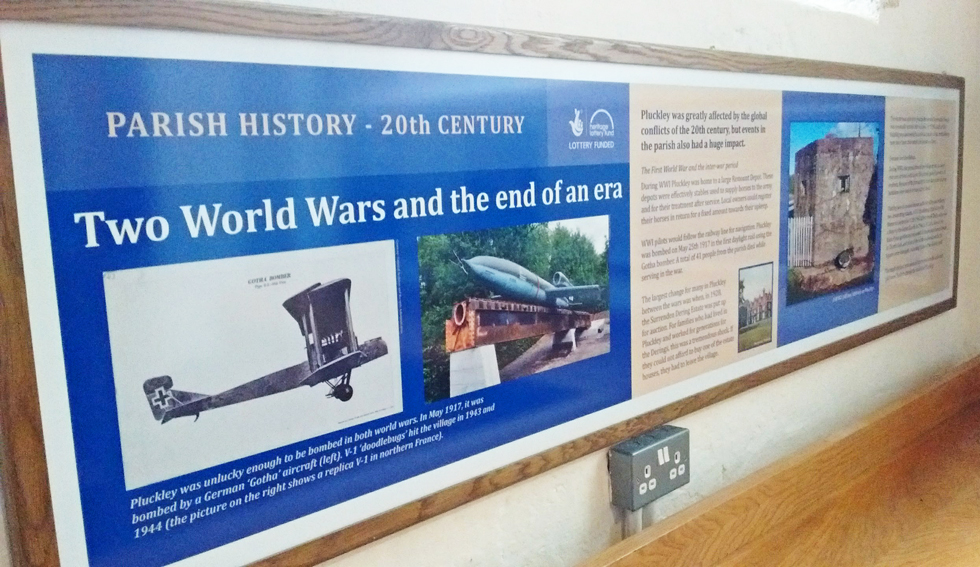
What should a good interpretation panel to do? It should be visually engaging, communicate clear messages, and stand up to abuse.
We have almost 20 years experience of supplying attractive, informative, robust panels. Our clients range from small community groups to national organisations like the Forestry Commission and the Wildlife Trusts.
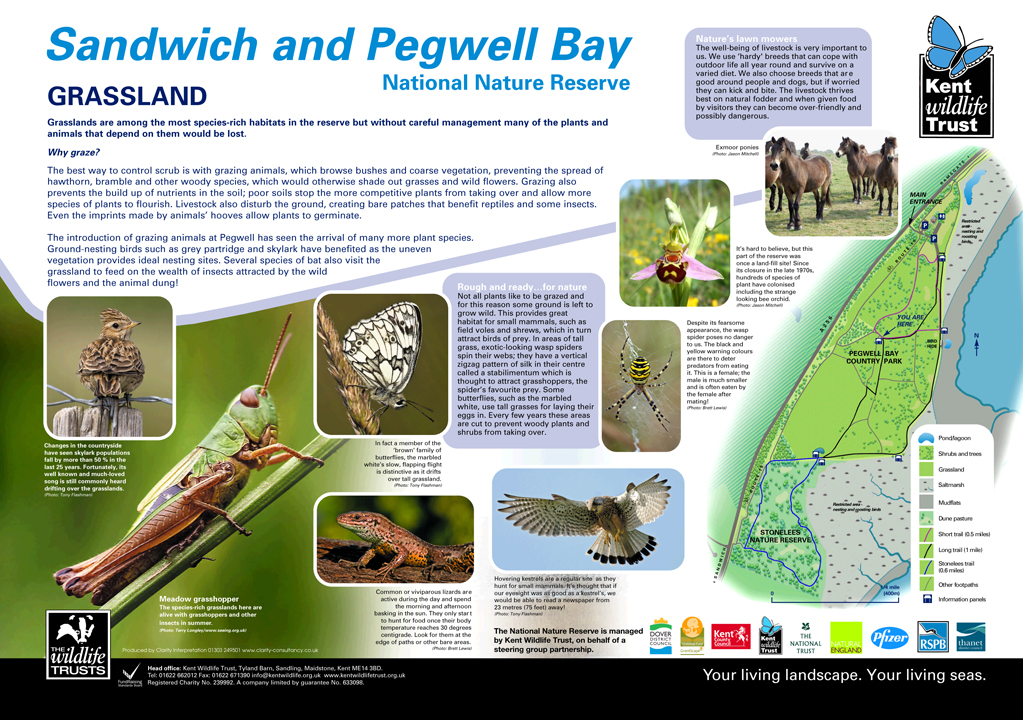
Wildlife Trusts – Sandwich Bay
Forestry Commission – King’s Wood
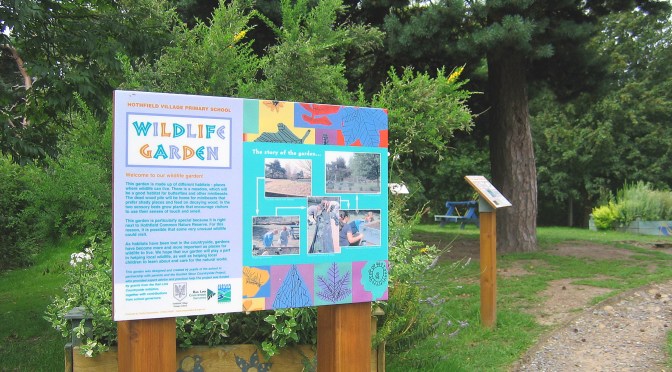
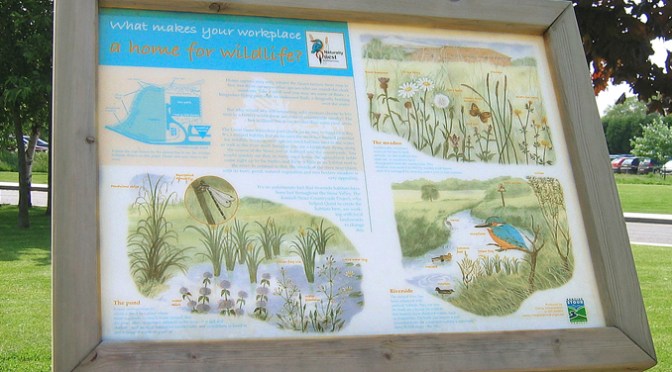
Panel in school garden with brass rubbing plaque
Wide format frameless panel with river cross-section illustration
Panel with carved timber frame
We can offer a range of services to bring your panel design together:
Creation of new design styles or working to existing branding
Clarity Interpretation will help your organisation with every step in the process.
Wildife Trusts branding
Our design style for 14 interpretation boards in urban greenspaces
National Trust Branding
We can provide a wide range of manufacturing options – sizes, panels materials, frames and posts, including easy-replace options for vandal-prone sites.
Sizes and shapes can be completely bespoke
Panel materials are robust GRP, PVC/PetGRP or aluminium composite
Frames and posts can be timber, metal or recycled plastic; we also supply frameless panels
Mounting can be upright or lectern (sloping) on posts, or wall-mounted
There are lots of options for carved timber frames
We can combine interactive elements into panels
Panel style gallery (click to enlarge)
Timber lectern
Steel lectern, timber sleeper post
Wide format frameless panel with river cross-section illustration
Heavy timber posts and GRP panel
Wildlife Trusts – Sandwich Bay
Wall mounted timber frame
Panel and noticeboard structure
Forestry Commission – King’s Wood
Timber lectern rear
Steel lectern on steel posts
Carved timber side slats
Timber frame with sand blasted carvings
Mapping
Maps are common features of interpretive panels and we can create them in a range of styles (see our mapping page for more).
Click to enlarge
Flat graphic map
Ordnance survey with overlay (requires OS license)
‘3D’ graphic map
Illustrations
Our quality illustrations can really enhance a design or recreate a lost feature of a site (see our illustration page). We also have an extensive digital photo library.
Click to enlarge
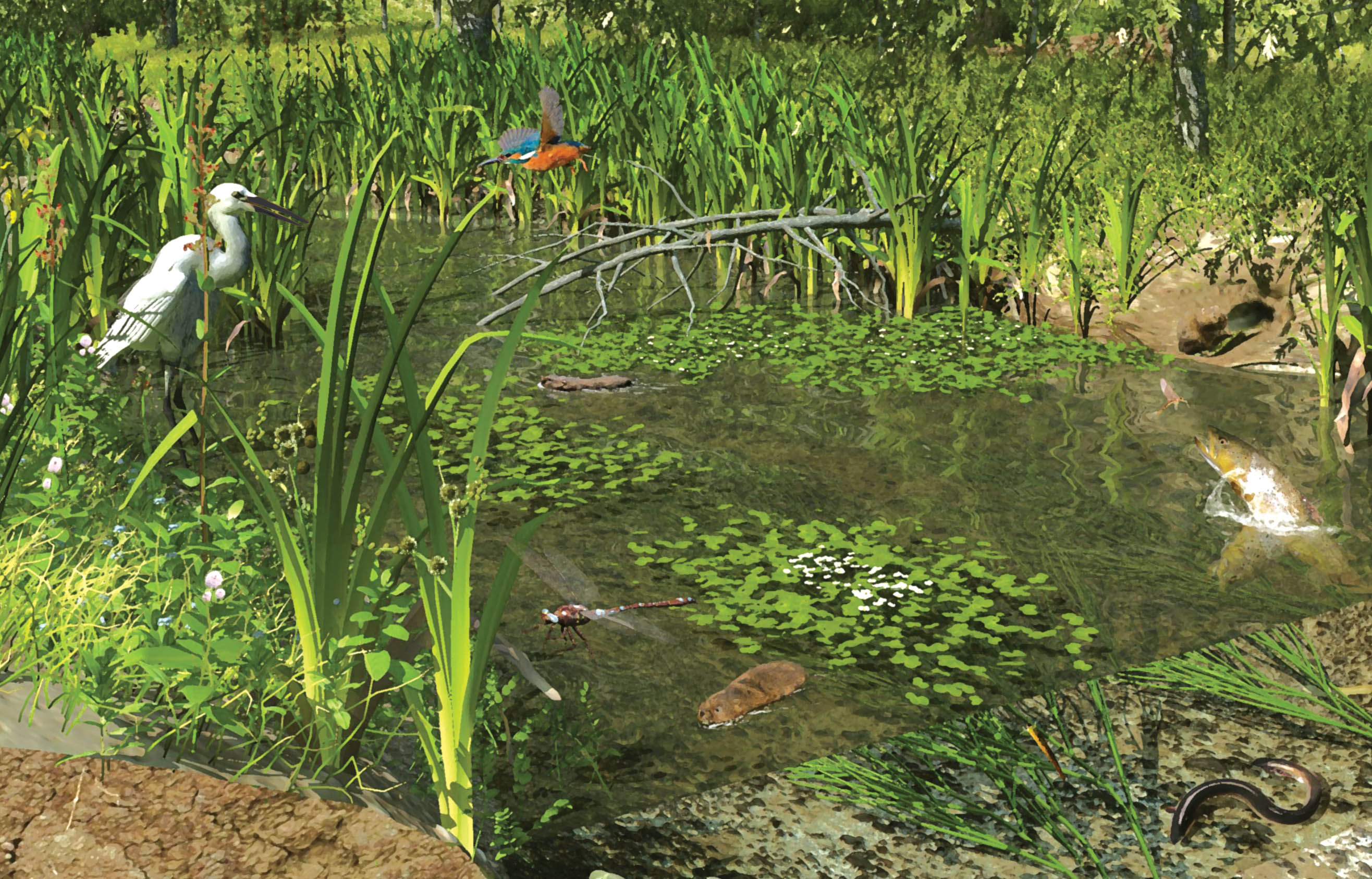
Digitally produced river cross-section image
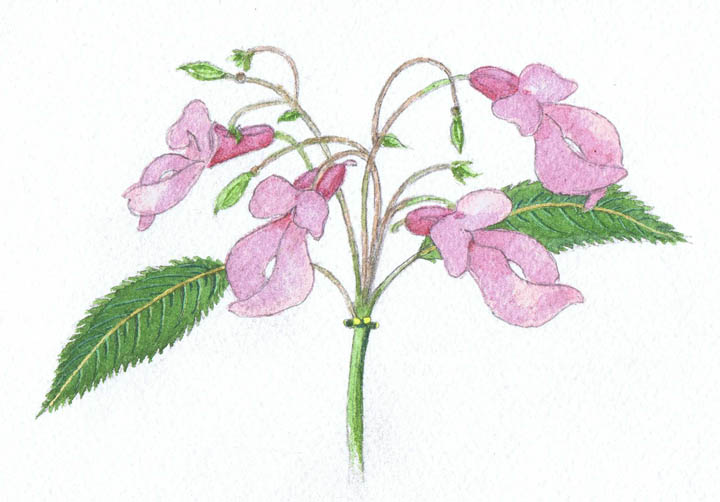
Hand painted species illustration
Hand painted landscape image
Graphic diagram
Interactive features
Panels don’t have to be just static words and images! We can incorporate rubbing plaques, flaps, wheels and other interactive features.
Lift-up flap
Lift-up flap
‘Life-cycle’ wheel
Brass rubbing plaque
Panel for school grounds with brass plaque
Toughing it out in the real world
Interpretation panels can of course draw the wrong kind of attention! We can adjust materials to suit your location, including steel frames, hard-wearing, vandal resistant, panel materials and even options for quick replacement of damaged graphics. Our panels have survived in some very edgy urban environments!
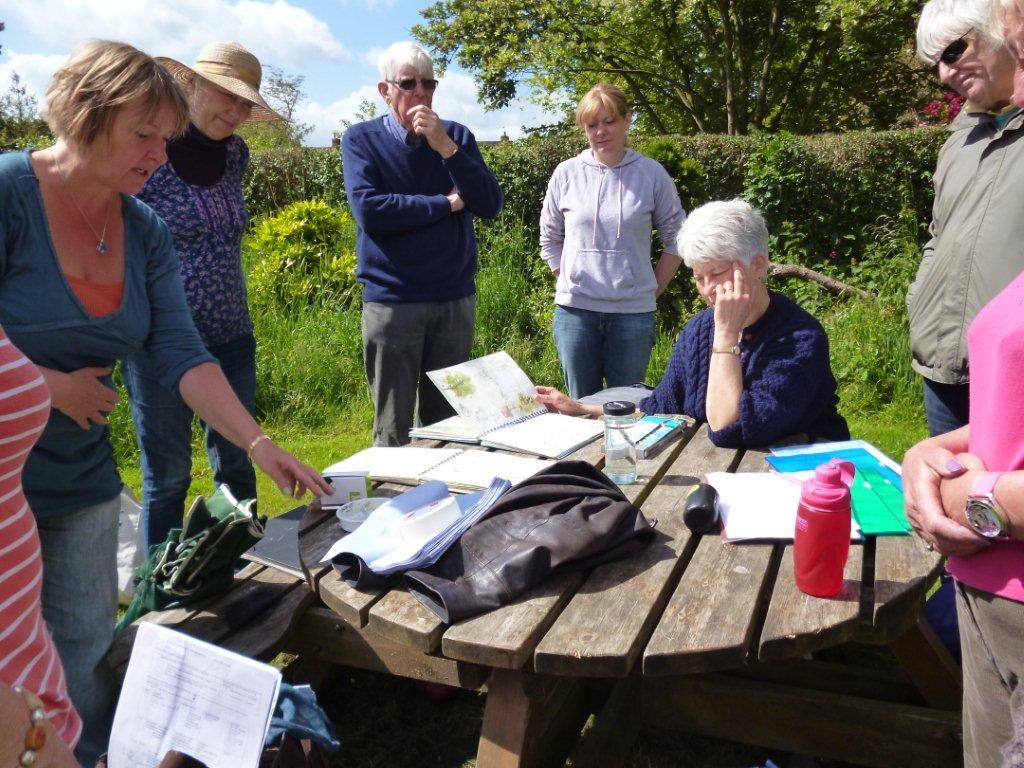
Community activities have become central to so many conservation and heritage projects. Funding bodies like the National Lottery Heritage Fund quite rightly prioritise the engagement of local people very highly. We have years of experience of planning and delivering programmes of this kind.
These activities have included:
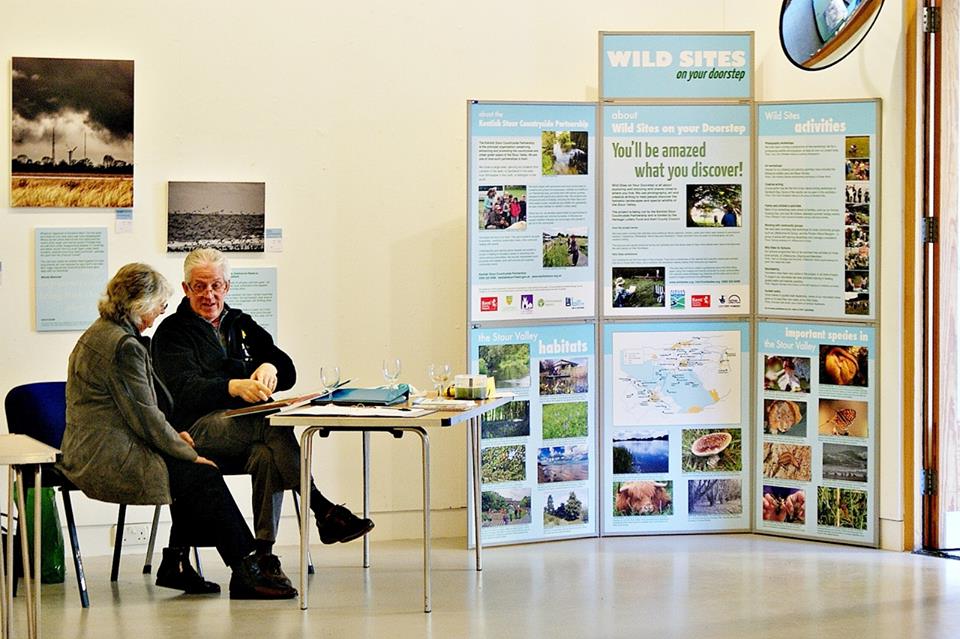
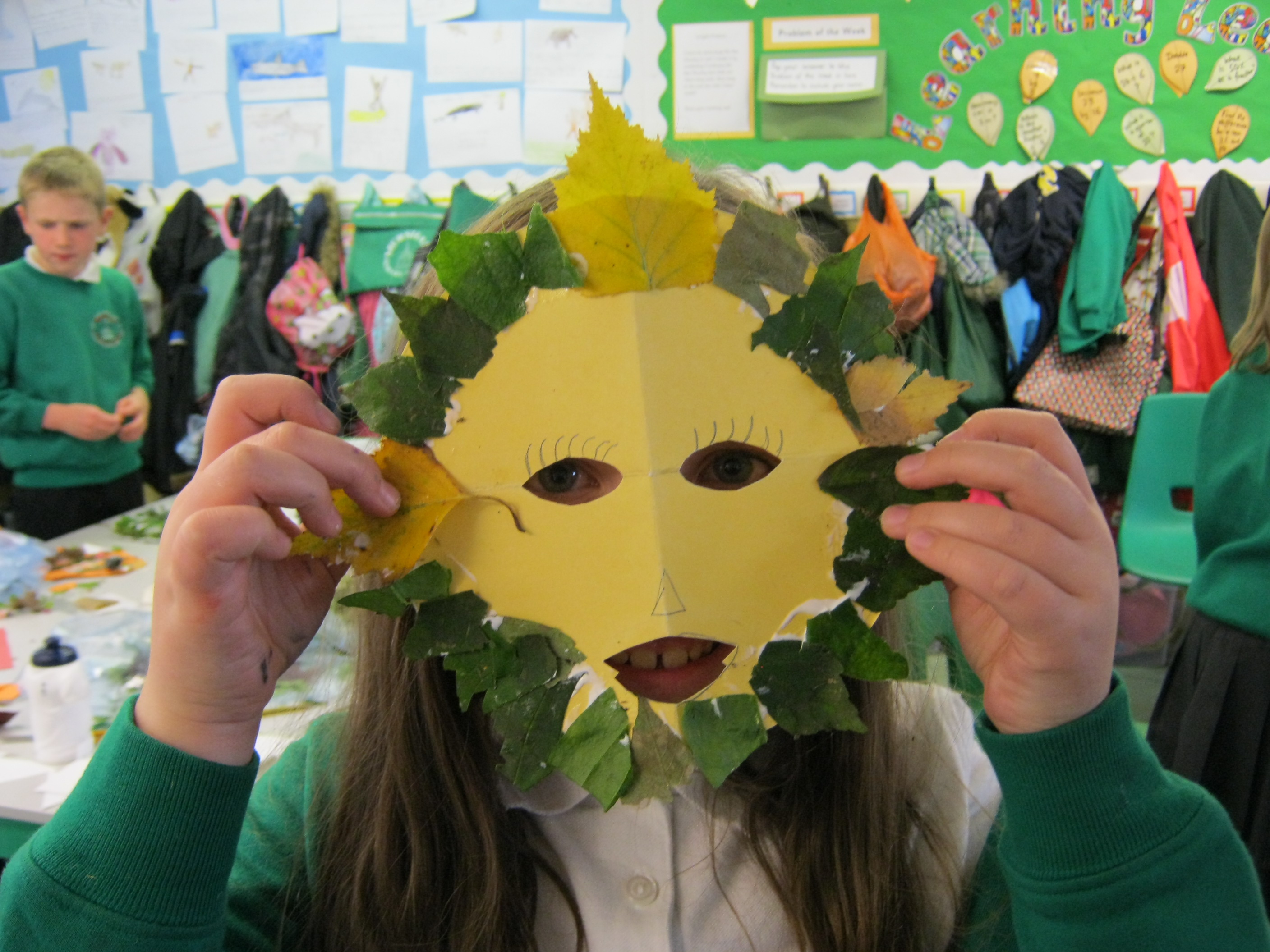
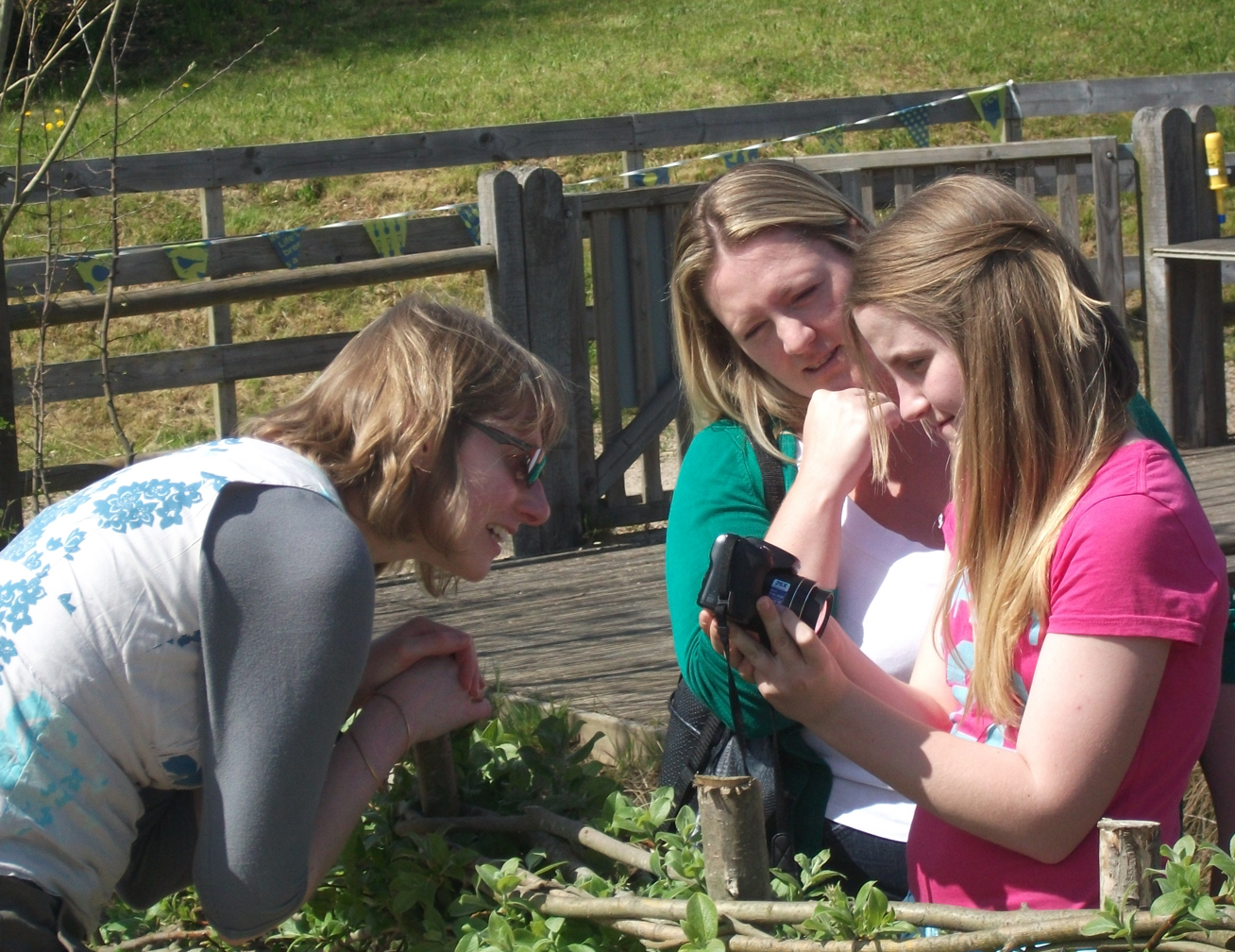
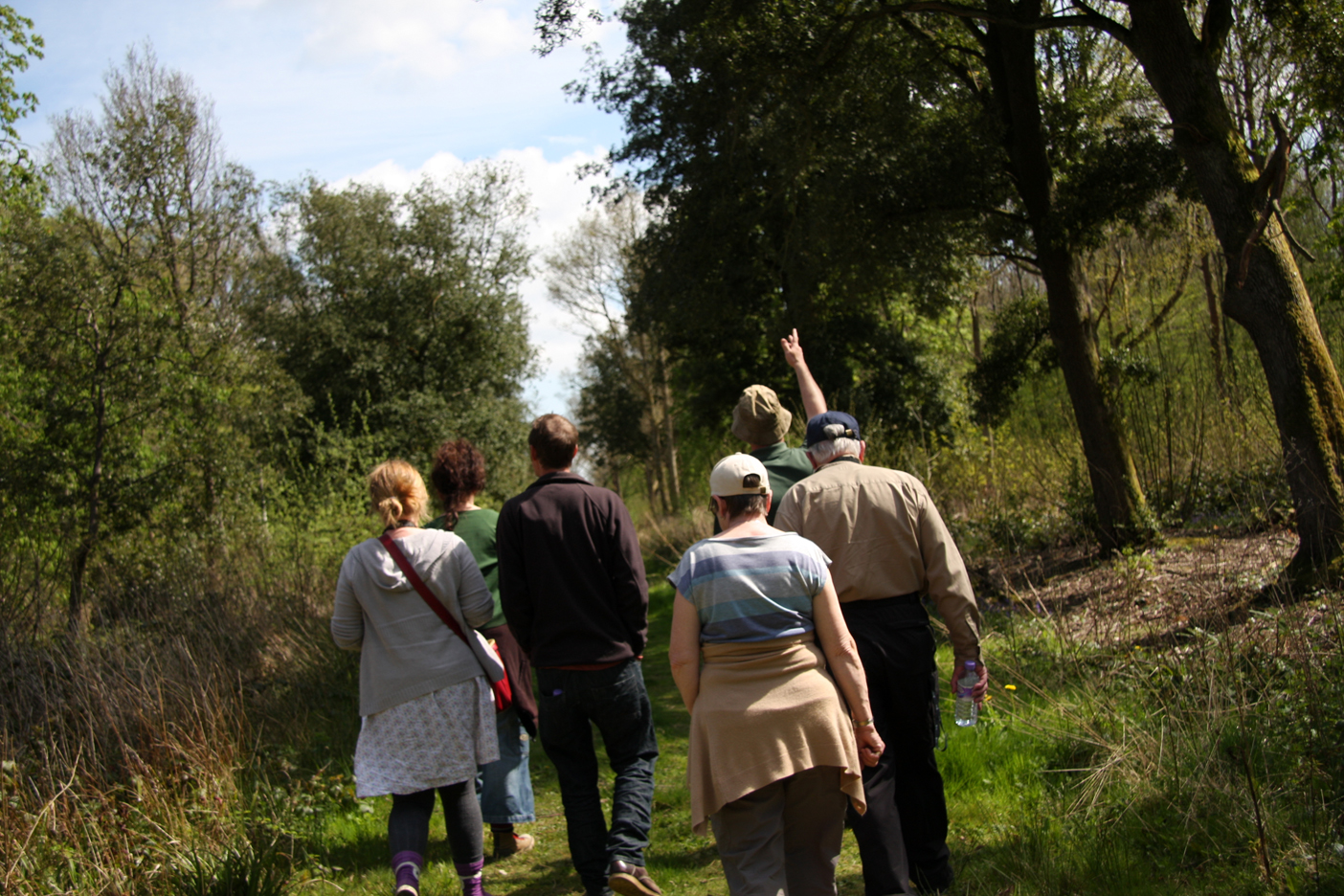
– Art and craft sessions – Community workshops – Creative writing days – Children’s activities – Exhibitions – Festivals and fairs (large scale) – Film-making projects – Launch events – Local heritage walks – Nature walks (fungus forays, bat walks etc.) – Oral history – Photography workshops – Schools activities – Wildlife watching trips
We have planned activity programmes for successful Lottery bids and then gone on to co-ordinate their delivery.
Clarity have organised events from the smallest children’s art session to large-scale festivals with thousands of visitors. We have engaged with community groups, hard-to-reach audiences and the general public.
Our portfolio includes activities for disabled people, people on low incomes, young people and elderly people, and we are experienced in reaching out to infrequent users and new audiences. We can also offer all the promotion and facilitation skills needed to make your programme successful.
















 Interpretive design and consultancy